Neuroplasticity क्या है और Stroke Recovery में इसका क्या Role है?
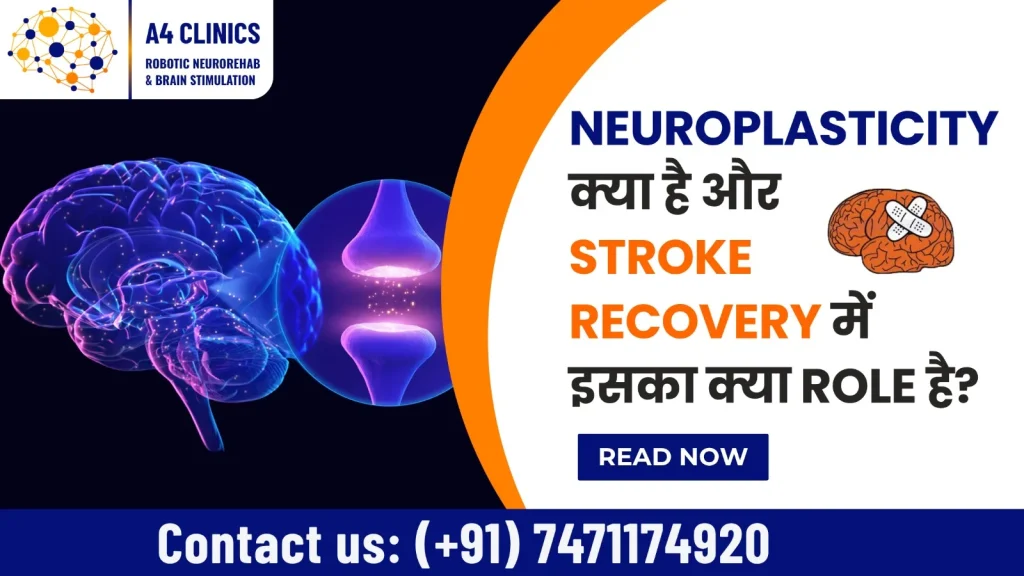
Stroke एक गंभीर समस्या है जो दुनिया भर में लाखों लोगों को प्रभावित करती है। भारत में भी स्ट्रोक के मामले बढ़ रहे हैं, खासकर युवा उम्र में। लेकिन अच्छी खबर यह है कि दिमाग की एक अद्भुत क्षमता – neuroplasticity – स्ट्रोक से हुई क्षति को कम करने और जीवन को बेहतर बनाने में मदद कर सकती है। इस ब्लॉग में हम विस्तार से समझेंगे कि neuroplasticity क्या है, यह कैसे काम करती है और stroke recovery में इसका कितना महत्वपूर्ण role है। Neuroplasticity क्या है? Neuroplasticity, जिसे brain plasticity भी कहा जाता है, हमारे दिमाग की वह क्षमता है जो खुद को reorganize करने, नई neural connections बनाने और पुरानी connections को मजबूत करने की देती है। पहले वैज्ञानिक सोचते थे कि adult brain fixed होता है और इसमें बदलाव नहीं हो सकता, लेकिन आधुनिक research ने साबित कर दिया है कि brain जीवन भर बदल सकता है। सरल शब्दों में कहें तो neuroplasticity दो प्रकार की होती है: – Structural Plasticity: Brain के physical structure में बदलाव, जैसे नई synapses (connections between neurons) बनना या dendrites का बढ़ना। – Functional Plasticity: Brain के damaged हिस्से की जगह healthy हिस्से functions ले लेते हैं। यह प्रक्रिया experience-dependent है, यानी जितना ज्यादा आप कोई activity repeat करते हैं, उतनी मजबूत connections बनती हैं। Stroke के बाद यह प्रक्रिया naturally शुरू होती है, लेकिन proper rehabilitation से इसे boost किया जा सकता है। Stroke के बाद Brain पर क्या Impact पड़ता है? Stroke तब होता है जब brain में blood supply रुक जाती है या bleed हो जाता है। इससे brain cells मर जाते हैं और signals भेजने वाली pathways damage हो जाती हैं। नतीजा – paralysis, speech problems, memory loss, balance issues आदि। लेकिन brain पूरी तरह dead नहीं होता। Surrounding healthy areas और opposite hemisphere compensatory mechanisms activate करते हैं। यही neuroplasticity की शुरुआत है। Studies दिखाते हैं कि stroke के बाद पहले कुछ हफ्ते या महीने hyperplastic period होते हैं, जब brain सबसे ज्यादा adaptable होता है। Stroke Recovery में Neuroplasticity का Role Neuroplasticity stroke recovery का backbone है। यह brain को rewire करने की ताकत देती है ताकि lost functions वापस आएं या compensate हों। कैसे काम करता है? – Cortical Remapping: Damaged area के आसपास के neurons नई responsibilities ले लेते हैं। – Synaptic Strengthening: Repetitive practice से weak connections मजबूत होती हैं (Hebb’s rule: “neurons that fire together, wire together”)। – Sprouting: Healthy neurons नए branches बनाते हैं damaged areas की तरफ। Research के अनुसार, rehabilitation therapies neuroplasticity को harness करके recovery speed up करती हैं। बिना therapy के spontaneous recovery सीमित होती है, लेकिन targeted exercises के साथ functional improvement बहुत बेहतर होता है। Neurorehabilitation Techniques जो Neuroplasticity को Boost करती हैं Effective recovery के लिए neurorehabilitation जरूरी है। Neurorehabilitation centre in Indore जैसे specialized centers में multidisciplinary approach अपनाया जाता है – physiotherapy, occupational therapy, speech therapy और cognitive training। Best Physiotherapy Centre in Indore में experts constraint-induced movement therapy (CIMT), mirror therapy, task-specific training आदि techniques इस्तेमाल करते हैं। ये techniques brain को force करते हैं कि affected limb का इस्तेमाल बढ़े और नई pathways बने। कुछ महत्वपूर्ण Strategies: 1. Repetitive Task-Specific Training रोजाना walking practice, arm movements या grasping exercises। Repetition neuroplastic changes को drive करती है। 2. Aerobic Exercise Brisk walking, cycling या swimming। यह BDNF (Brain-Derived Neurotrophic Factor) बढ़ाता है, जो neuron growth को promote करता है। 3. Mirror Therapy Unaffected limb की movement को mirror में देखकर brain को illusion मिलता है कि affected limb भी move कर रहा है। Stroke patients में pain और movement recovery के लिए effective। 4. Mental Practice / Motor Imagery Eyes closed करके movements को mentally imagine करना। Brain same areas activate करता है जैसे actual movement में। 5. Speech and Language Therapy Melodic Intonation Therapy या repetitive naming exercises aphasia के लिए। 6. Cognitive Training Memory games, puzzles, apps जो attention और executive function सुधारें। 7. Sensory Stimulation Different textures touch करना, music therapy या electrical stimulation (TES)। Neurorehabilitation centre in Indore advanced tools जैसे robotic therapy या virtual reality भी use करते हैं जो engaging way में high repetition provide करते हैं। Best Physiotherapy Centre in Indore personalized plans बनाते हैं patient की severity, age और goals के according। Consistency सबसे महत्वपूर्ण है – daily practice brain को signal देता है कि changes जरूरी हैं। Recovery को Maximize करने के Tips – Early Intervention: जितनी जल्दी rehab शुरू करें, उतना बेहतर। Golden period पहले 3-6 महीने होते हैं, लेकिन neuroplasticity lifetime रहती है। – High Intensity, High Repetition: Short sessions multiple times a day बेहतर than long infrequent sessions। – Motivation और Engagement: Fun activities जैसे dancing, playing instrument या gardening शामिल करें। – Lifestyle Factors: Healthy diet (omega-3 rich foods), good sleep, stress management और social interaction neuroplasticity support करते हैं। – Family Support: Caregivers की encouragement recovery journey को positive बनाती है। – Track Progress: Small improvements note करें – motivation मिलता रहेगा। Stroke survivors की stories inspiring होती हैं। कई लोग जो initially wheelchair bound थे, consistent effort से walking कर पाते हैं। Neuroplasticity यही hope देती है कि recovery possible है। Challenges और Realistic Expectations Neuroplasticity powerful है, लेकिन limitations भी हैं। Age, stroke size, location और comorbidities recovery को affect करते हैं। Complete recovery हर case में नहीं होती, लेकिन significant functional gains possible हैं। Patience रखें। Progress slow हो सकता है, लेकिन consistent rehab से quality of life dramatically improve हो सकती है। Conclusion: Hope की किरण Neuroplasticity हमें बताती है कि brain static नहीं, dynamic organ है। Stroke recovery में इसका role game-changer है। Proper guidance और dedicated effort से patients न सिर्फ lost abilities regain करते हैं बल्कि नई strengths भी develop कर सकते हैं। अगर आप या आपके loved one ने stroke का सामना किया है, तो specialized care लें। Modern neurorehabilitation techniques brain की इस natural power को harness करके बेहतर future बना सकती हैं। Recovery एक journey है – एक कदम, एक repetition, एक connection at a time। Neuroplasticity के
क्या Repetitive Robotic Therapy से Stroke Recovery में बेहतर Results दे सकती है?
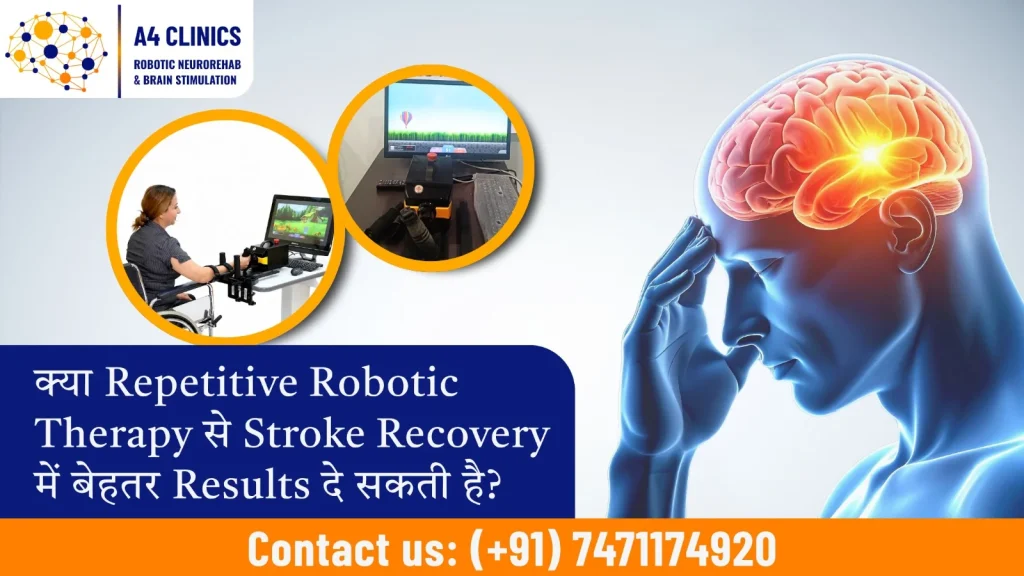
Stroke Rehabilitation in Indore में आजकल robotic therapy एक game-changer साबित हो रही है। Stroke (लकवा) के बाद मरीज़ की recovery में repetitive movements बहुत ज़रूरी होते हैं। Repetitive Robotic Therapy ठीक यही करती है – हजारों बार सटीक movements को repeat करवाकर brain की neuroplasticity को boost करती है। A4 Clinics जैसे advanced centres में यह therapy stroke patients के लिए बेहतर functional outcomes ला रही है। आइए विस्तार से समझते हैं कि repetitive robotic therapy stroke recovery में कितनी effective है। Stroke के बाद Recovery की चुनौतियाँ Stroke होने के बाद लाखों लोग paralysis, weakness, coordination की समस्या और daily activities करने में दिक्कत का सामना करते हैं। Traditional physiotherapy में therapist manually movements करवाते हैं, लेकिन इसमें repetitions की संख्या limited रह जाती है। Patient थक जाता है और therapist भी। Neuroplasticity – brain की खुद को reorganize करने की क्षमता – repetitive practice पर depend करती है। जितने ज्यादा सही repetitions, उतनी तेज़ recovery। यहीं robotic therapy advantage देती है। Repetitive Robotic Therapy क्या है? Repetitive Robotic Therapy advanced robots का इस्तेमाल करके upper limb (हाथ), lower limb (टांग) या hand movements को high-intensity repetitions के साथ train करती है। ये robots patient की ability के according adjust हो जाते हैं और precise feedback देते हैं। Indore में Best Physiotherapy Centre की तलाश में लोग robotic options चुन रहे हैं क्योंकि ये consistent high-dosage training देते हैं जो manual therapy अकेले नहीं दे पाती। Repetitive Robotic Therapy Stroke Recovery में कैसे बेहतर Results देती है? 1. High Repetitions & Intensity Manual therapy में 30-50 repetitions आसानी से हो जाते हैं, लेकिन robotic therapy में hundreds या thousands repetitions possible हैं। Studies दिखाते हैं कि high repetitions brain के नए neural pathways बनाती है। 2. Personalized & Adaptive Training Robot patient की progress के according difficulty adjust करता है। Weak muscles को support और strong movements को challenge करता है। 3. Objective Measurement Robot real-time data record करता है – strength, range of motion, accuracy। Therapist बेहतर तरीके से plan कर पाता है। 4. Reduced Therapist Fatigue Therapist patient को motivate और guide कर सकता है जबकि robot actual repetitions handle करता है। इससे longer sessions possible होते हैं। 5. Better Outcomes in Studies कई meta-analyses और RCTs दिखाते हैं कि robot-assisted therapy conventional therapy की तुलना में motor function (Fugl-Meyer score), muscle strength और activities of daily living में statistically significant improvement लाती है। Subacute phase में benefits और भी prominent हैं। Best Physiotherapy Centre in Indore में robotic approach जल्दी mobility वापस लाने में मदद करता है – walking, grasping objects, self-care activities। Robotic Therapy के Additional Benefits Robotic therapy conventional physiotherapy के साथ combine करके इस्तेमाल की जाती है – ये replacement नहीं, powerful addition है। कौन-कौन से Patients को फायदा होगा? हर patient की condition अलग होती है, इसलिए expert assessment ज़रूरी है। Traditional Physiotherapy vs Robotic Therapy Traditional physiotherapy बहुत valuable है – manual techniques, hands-on care, patient-therapist bond। Robotic therapy इसे supplement करती है। Best Physiotherapy Centre in Indore वे हैं जो दोनों को integrate करते हैं – advanced technology + experienced therapists। इससे comprehensive recovery possible होती है। Conclusion हाँ, Repetitive Robotic Therapy stroke recovery में बेहतर results दे सकती है। High-dosage, task-specific repetitions, precise feedback और neuroplasticity को maximize करने की क्षमता इसे powerful tool बनाती है। Studies consistent रूप से motor recovery, strength और functional independence में improvement दिखाते हैं। Stroke Rehabilitation in Indore में robotic therapy को adopt करने वाले centres patients को faster और बेहतर recovery का मौका दे रहे हैं। Recovery journey personalized होनी चाहिए – expert team के साथ robotic technology का सही combination long-lasting results दे सकता है। अगर आप या आपके loved one stroke से recover कर रहे हैं तो advanced rehabilitation options explore करें। Early action और consistent therapy से ज़िंदगी वापस पाई जा सकती है। Hope और science के साथ recovery possible है!
Stroke के बाद लकवा? क्या Brain Stimulation से चलने-फिरने की क्षमता में सुधार हो सकता है?
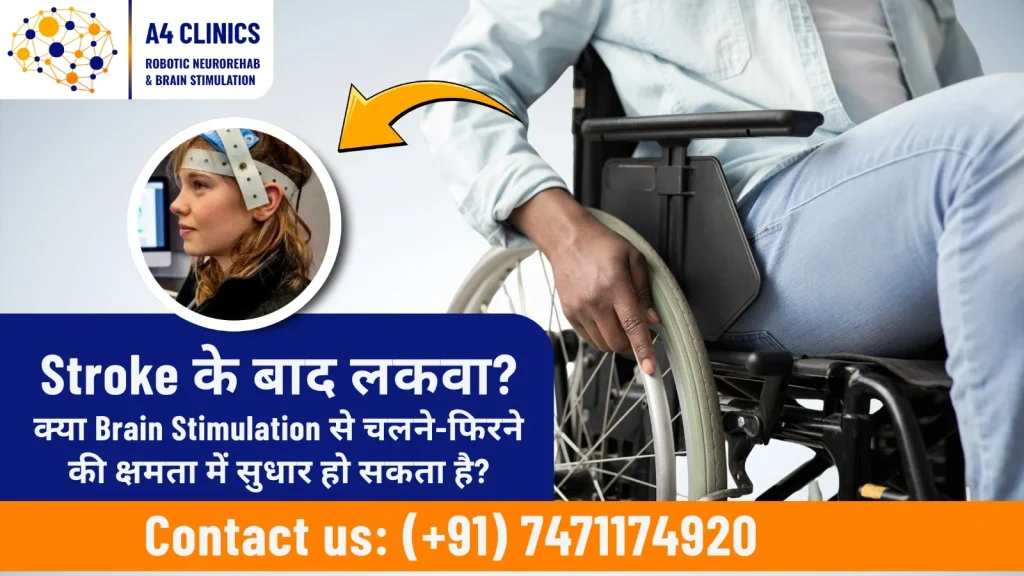
Stroke एक गंभीर समस्या है जो दिमाग के किसी हिस्से में खून का बहाव रुक जाने या फट जाने से होती है। इससे शरीर के एक तरफ लकवा (paralysis) हो सकता है, खासकर पैरों और हाथों में कमजोरी आ जाती है। कई मरीजों को चलने-फिरने, संतुलन बनाए रखने और रोजमर्रा की गतिविधियों में बहुत दिक्कत होती है। सवाल यह उठता है कि stroke rehabilitation के दौरान क्या कोई नई तकनीक मदद कर सकती है? आजकल brain stimulation जैसी non-invasive थेरेपी ने neurorehabilitation में नई उम्मीद जगाई है। खासतौर पर tDCS (Transcranial Direct Current Stimulation) से कई मरीजों में recovery बेहतर देखी गई है। Stroke के बाद लकवा क्यों होता है? Stroke होने पर दिमाग का affected हिस्सा (ज्यादातर motor cortex) damaged हो जाता है। इससे nerve signals ठीक से नहीं पहुंच पाते, जिसके कारण पैर या पूरा शरीर का एक हिस्सा कमजोर पड़ जाता है – इसे हम hemiplegia या लकवा कहते हैं। आरंभिक दिनों में physiotherapy और medicines से कुछ सुधार होता है, लेकिन कई मरीजों में chronic phase में mobility सीमित रह जाती है। यहां neuroplasticity की भूमिका महत्वपूर्ण है-दिमाग खुद को reorganize कर सकता है, लेकिन इसके लिए सही stimulation की जरूरत पड़ती है। Brain Stimulation क्या है और यह कैसे काम करती है? Brain stimulation दिमाग को हल्की electrical current से stimulate करने की सुरक्षित और painless Method है। tDCS इसमें सबसे लोकप्रिय है। इसमें scalp पर saline-soaked electrodes लगाए जाते हैं जो कम intensity की direct current भेजते हैं। यह current दिमाग के neurons की excitability बढ़ा या घटा सकता है: tDCS neuroplasticity को boost करता है, यानी damaged brain areas में नए neural connections बनाने में मदद करता है। Session, आमतौर पर 20 मिनट के होते हैं, outpatient basis पर किए जाते हैं और कोई दवा या surgery की जरूरत नहीं पड़ती। tDCS से Stroke Rehabilitation में सुधार Stroke rehabilitation in Indore, A4 Clinic, जैसी जगहों पर tDCS को standard physiotherapy के साथ combine किया जाता है। Studies दिखाते हैं कि tDCS gait recovery (चलने की क्षमता) में मदद कर सकता है, खासकर sub-acute phase में। कुछ महत्वपूर्ण फायदे: एक systematic review में पाया गया कि tDCS के साथ therapy लेने वाले मरीजों में Timed Up and Go Test (TUGT) और Functional Ambulation Category (FAC) में बेहतर स्कोर आए |हालांकि हर मरीज में रिजल्ट अलग-अलग हो सकते हैं, लेकिन जब tDCS को robotic training, balance exercises और walk training के साथ मिलाया जाता है तो recovery faster और ज्यादा effective हो सकती है। Stroke के बाद लकवे से जूझ रहे मरीजों के लिए यह combination खासतौर पर उपयोगी है क्योंकि: यह combination damaged brain pathways को rewire करने में मदद करता है, जिससे चलने-फिरने की क्षमता में meaningful improvement आ सकता है। Challenges और Expectations हर मरीज की stroke severity, time since stroke (acute/sub-acute/chronic) और lesion location अलग होती है। इसलिए results variable हो सकते हैं। Sub-acute phase में शुरू करने पर बेहतर outcomes देखे गए हैं Patients को realistic expectations रखने चाहिए – tDCS recovery को accelerate कर सकता है लेकिन miracle cure नहीं है। Consistent therapy और lifestyle changes (diet, exercise, motivation) के साथ यह बेहतर काम करता है। How A4 Clinics Help in Recovery in Stroke with tDCS A4 Clinics, Indore में advanced brain stimulation और robotic neurorehabilitation की सुविधा प्रदान करता है। यहां tDCS को stroke rehabilitation program का महत्वपूर्ण हिस्सा बनाया गया है। वे painless, drug-free तरीके से दिमाग को stimulate करके neuroplasticity बढ़ाते हैं, जिससे paralysis recovery और mobility improvement में मदद मिलती है। उनके program में tDCS को walk training, strength therapy, balance exercises और smart robotic tools के साथ integrate किया जाता है। इससे मरीजों को चलने-फिरने, संतुलन और daily functions में बेहतर सुधार दिखता है। A4 Clinics, neurorehabilitation centre in Indore में personalized care देकर stroke survivors की जिंदगी को फिर से independent और active बनाने में सहायता करते हैं। Conclusion Stroke के बाद लकवा एक चुनौती है, लेकिन सही समय पर सही brain stimulation और rehabilitation से चलने-फिरने की क्षमता में काफी सुधार संभव है। tDCS जैसी तकनीक neuroplasticity को बढ़ावा देकर recovery को नई दिशा दे सकती है, खासकर जब इसे comprehensive therapy के साथ combine किया जाए। अगर आप या आपके परिवार का कोई सदस्य stroke से प्रभावित है, तो Indore में उपलब्ध A4 Clinics से संपर्क करें। सही approach के साथ नई उम्मीद और बेहतर जिंदगी संभव है।